Black holes, time, AI and giant machines, drawn from the actual physics. Short videos that break your brain, long films that put it back together.
Live 7,000 stars on a flat rotation curve, the reason we think dark matter exists. Your cursor (or finger) is a black hole: watch it bend their light.
Scroll to move through time ↓ The faster you scroll, the closer to light speed you go.
Big questions, answered all the way down
Films where every animation is a working simulation, not stock footage.
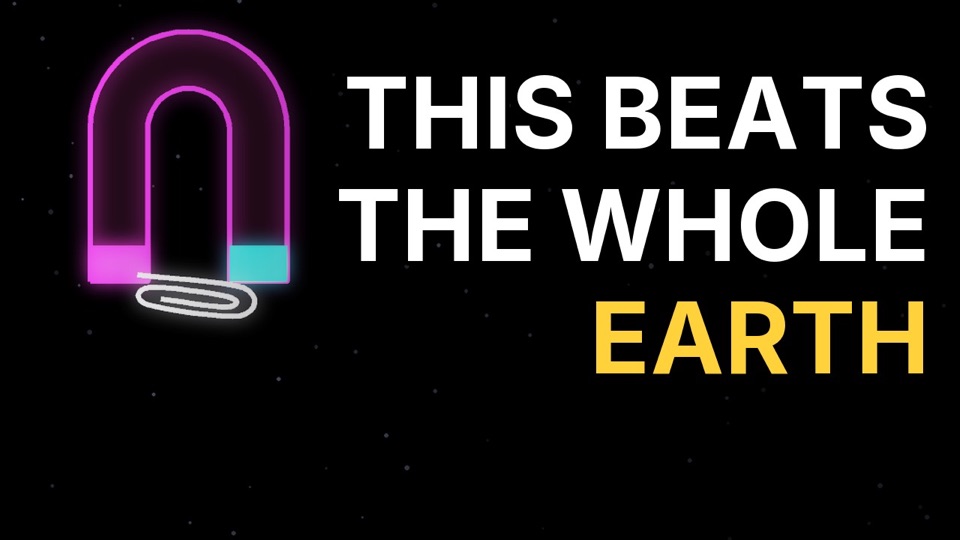
Gravity Is Absurdly Weak. Nobody Knows Why.
A small magnet can lift a paperclip against the pull of the entire Earth, because gravity is by far the weakest of the fundamental forces: between two protons, their electric repulsion is about 10³⁶ times stronger than their gravitational attraction.
Live A space elevator turning with the Earth. Scroll and the climber rides the cable: the readout shows how heavy you'd feel on the way up.
One idea, under a minute
Each one is a single mind-bending claim, checked against the real numbers.
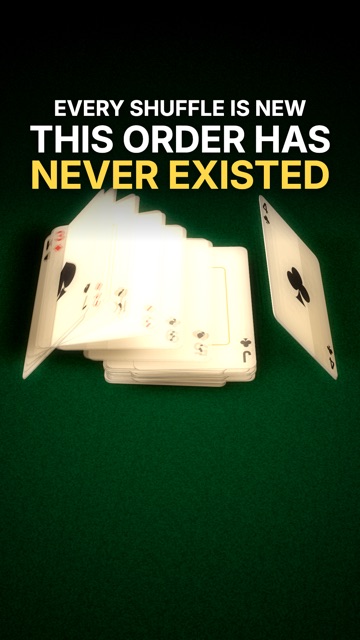 #7 Every Shuffle Is New
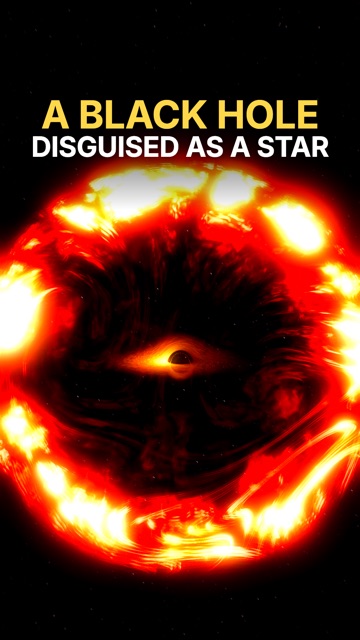 #42 This Star Has a Black Hole Inside
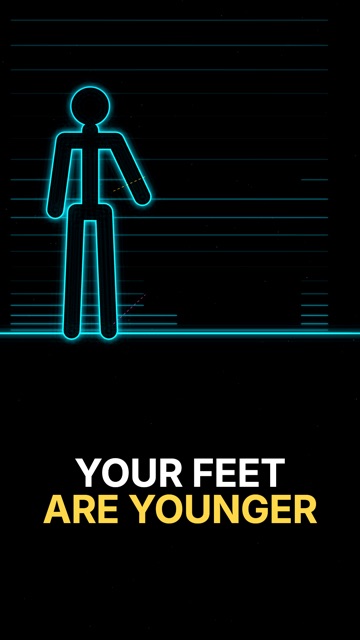 #37 Your Feet Are Younger Than Your Head
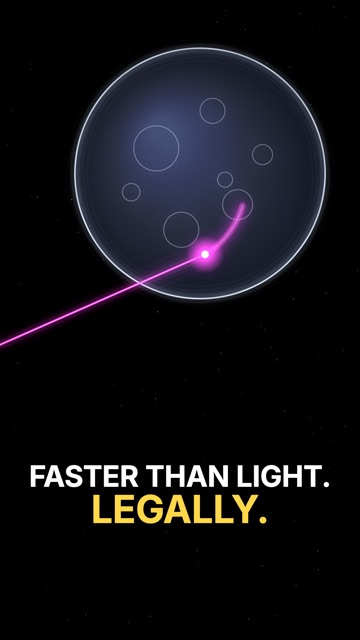 #36 You Can Move Something Faster Than Light
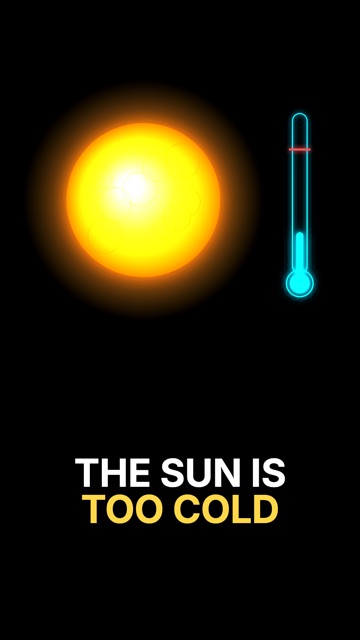 #39 The Sun Is Too Cold to Shine
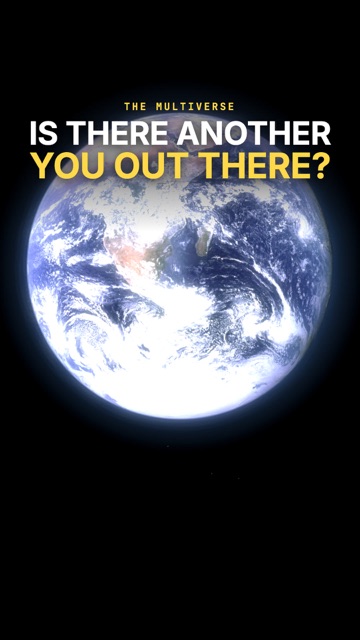 #34 Is There Another You Out There?
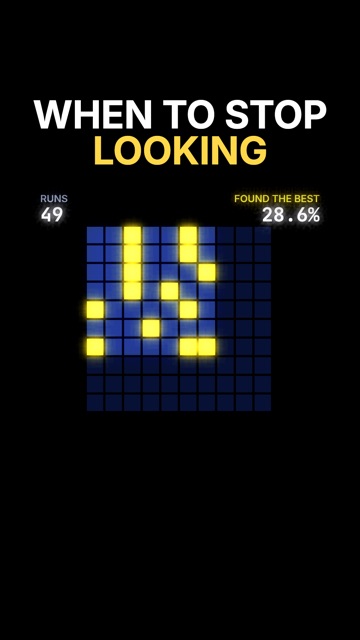 #6 The 37% Rule
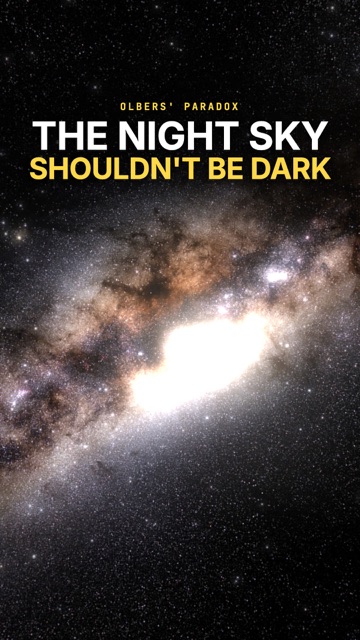 #28 Why Is the Night Sky Dark?
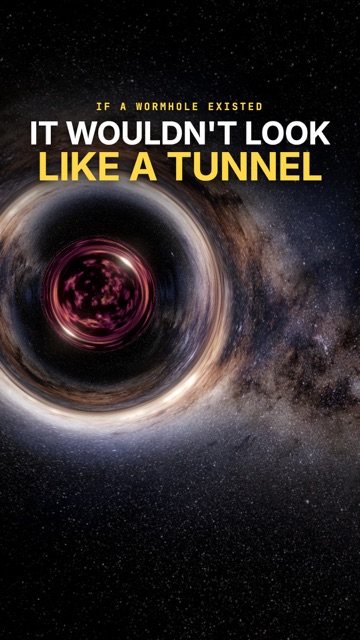 #25 What a Wormhole Would Really Look Like
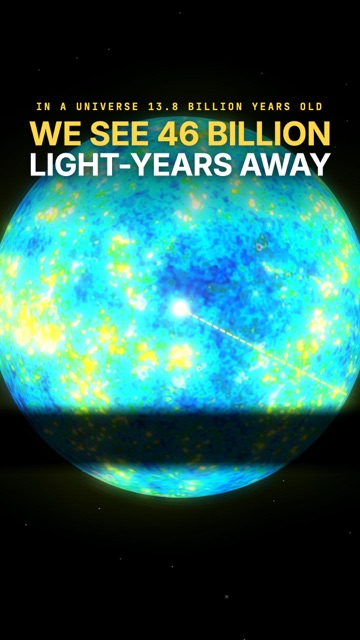 #23 How We See 46 Billion Light-Years Away
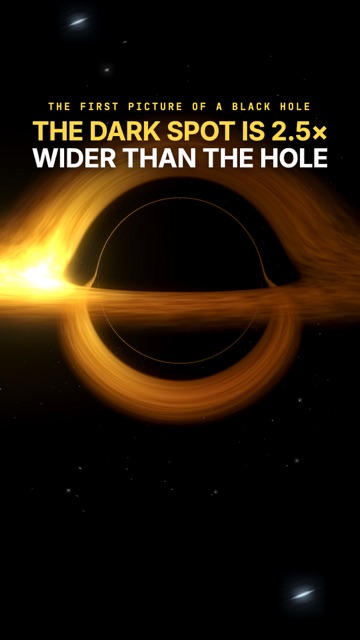 #24 Why the Black Hole Looks Bigger Than It Is
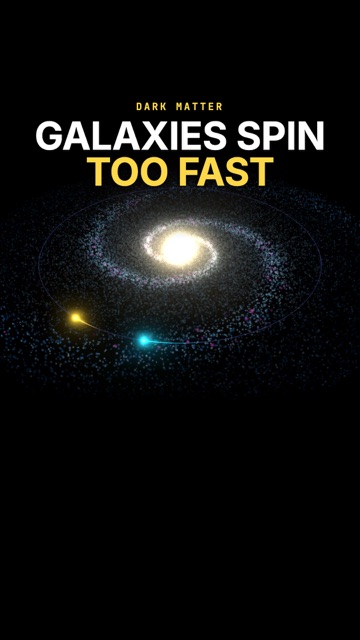 #22 Why Galaxies Spin Too Fast
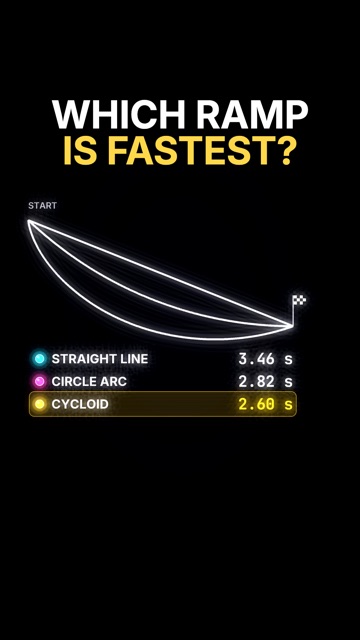 #4 The Fastest Slide
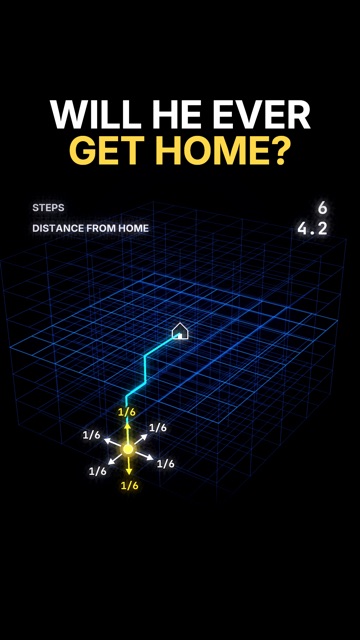 #8 The Drunk Bird
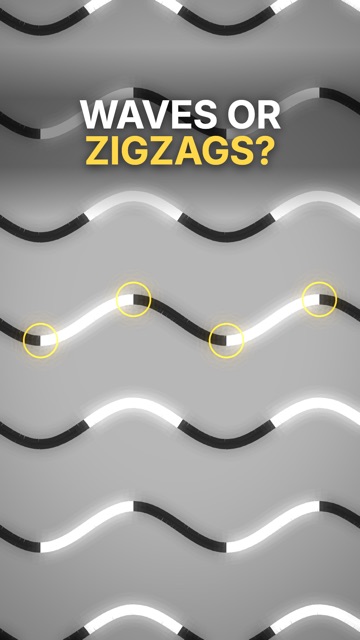 #1 Curvature Blindness
Live Three equal stars chasing each other in a figure eight, one of the few stable answers to the three-body problem. Computed in your browser, step by step.
Don't take our word for it. Run it.
Playable versions of the videos: the same physics, with the dials handed to you.
How much younger are your feet?
Your head has lived 211 billionths of a second longer than your feet. Light covers 63 metres in that time.
More toys on the way
- Black hole lens. Drag a black hole across a real star field (try it now: it's your cursor).
- Throw a star. Aim a star at a black hole and see how much survives.
- Andromeda roulette. Run one of our 10,000 collision futures yourself.
- Space elevator climber. Pick a speed and see how many days it takes to reach orbit.
- Watch an AI learn. A tiny language model training live in your browser.
The long answer
Each post answers one question properly, with the video, a live simulation and the sources. The first ones are being written now.